Send the route
Pickup and delivery points, the vehicle, and your earliest date. Ninety seconds on the form or one call.
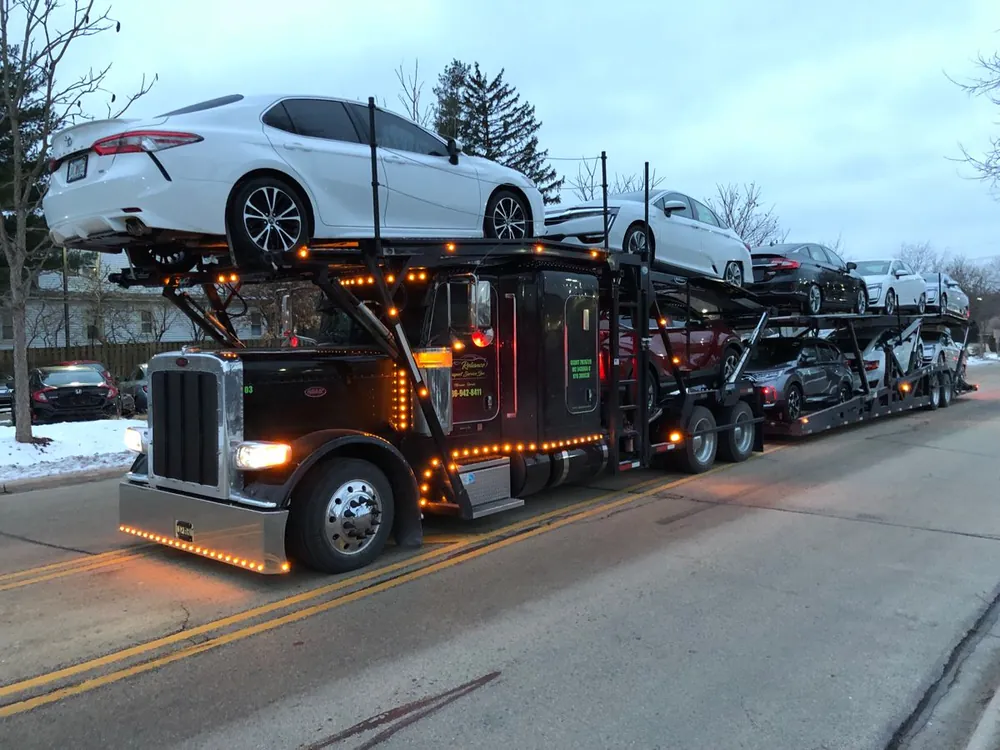
Your Vehicle. Our Direction.
Vector arranges open and enclosed auto transport across the lower 48. Before your vehicle moves you know the carrier's name, their insurance, and the delivery window.
Two ZIP codes and the vehicle is enough to start.
Pricing
Two ZIP codes and the vehicle are enough to start. Most quotes come back the same business hour with a carrier already in mind for the lane.
Prefer to talk it through? Call (929) 412-2935 or email info@vectorautotransport.com.
What moves the price: distance and lane demand, whether the carrier is open or enclosed, vehicle size and weight, whether it runs and rolls, and how tight your date window is. We explain which of these is driving your number.
How it works
Auto transport gets stressful when nobody tells you what happens next. Here is the whole sequence.
Pickup and delivery points, the vehicle, and your earliest date. Ninety seconds on the form or one call.
We quote the actual lane and put it in writing, including what the carrier is paid. If we cannot move it at that price, we tell you before you book.
We check the carrier's operating authority, cargo insurance and inspection history, then send you the company name, driver contact and pickup window.
The driver calls ahead at both ends. You inspect the vehicle and sign the Bill of Lading on delivery, and payment is due then.
Services
Seventeen ways to move a vehicle. If yours is unusual, call us before you assume it cannot go on a truck.
Enclosed transport, soft straps and higher insurance limits for high-value cars.
Lift-gate loading and enclosed trailers for cars that are hard to replace.
Chocked, strapped and crated options for bikes of every size.
Trailered and flatbed boat moves, with permits arranged for oversize hulls.
Drive-away and towed transport for travel trailers, fifth wheels and Class A rigs.
Lowboy and step-deck moves for backhoes, excavators, tractors and attachments.
Winch-equipped carriers for cars that will not start, steer or brake.
Two to nine vehicles on one dispatch, priced per unit instead of per booking.
South in the fall, north in the spring, booked early enough to hold the price.
Base-to-base moves timed around orders and report dates.
Campus drop-offs in August and pickups in May, arranged with a parent if needed.
Billing and paperwork set up for an employer or relocation manager.
Auction lot pickups and dealer trades on repeat lanes with standing rates.
Where we ship
A national cents-per-mile average tells you almost nothing. These pages cover what actually moves the price on a specific lane: the corridor, the season, and where a 75-foot carrier can and cannot reach.
The busiest market in the country, and the most access-constrained metros.
The most seasonal lanes in auto transport, and gated-community delivery.
Big enough that an in-state move is often a genuine long haul.
Borough access, parkway restrictions and ordinary upstate loading.
Every state we collect and deliver in, and which have lane detail written.
Coast to coast on the southern corridor, priced mostly by season.
The busiest seasonal lane in the country, with the largest price swing.
Reliable year-round, with vehicle size the variable that catches people out.
Winter mountain routing at one end, Manhattan access at the other.
Distance, transit, seasonal demand and access for each lane.
Why Vector
The usual pattern is familiar: a low number to win the booking, then a call a week later saying no driver will take the load at that price. It happens because the quote was never tied to a real carrier.
Choosing a carrier
Around nine out of ten vehicles ship fine on an open carrier. Enclosed is worth paying for when replacement cost, paint or ground clearance make road exposure a real risk.
| Open carrier | Enclosed carrier | |
|---|---|---|
| Typical cost | The baseline price | Roughly 40% to 60% more |
| Availability | Thousands of trucks, most lanes daily | Fewer trucks, book further ahead |
| Weather and road debris | Exposed, same as driving it | Fully shielded |
| Loading | Ramps, standard ground clearance | Lift gate available for low cars |
| Best for | Daily drivers, leases, fleet and dealer moves | Exotics, classics, show cars, fresh restorations |
Door to door
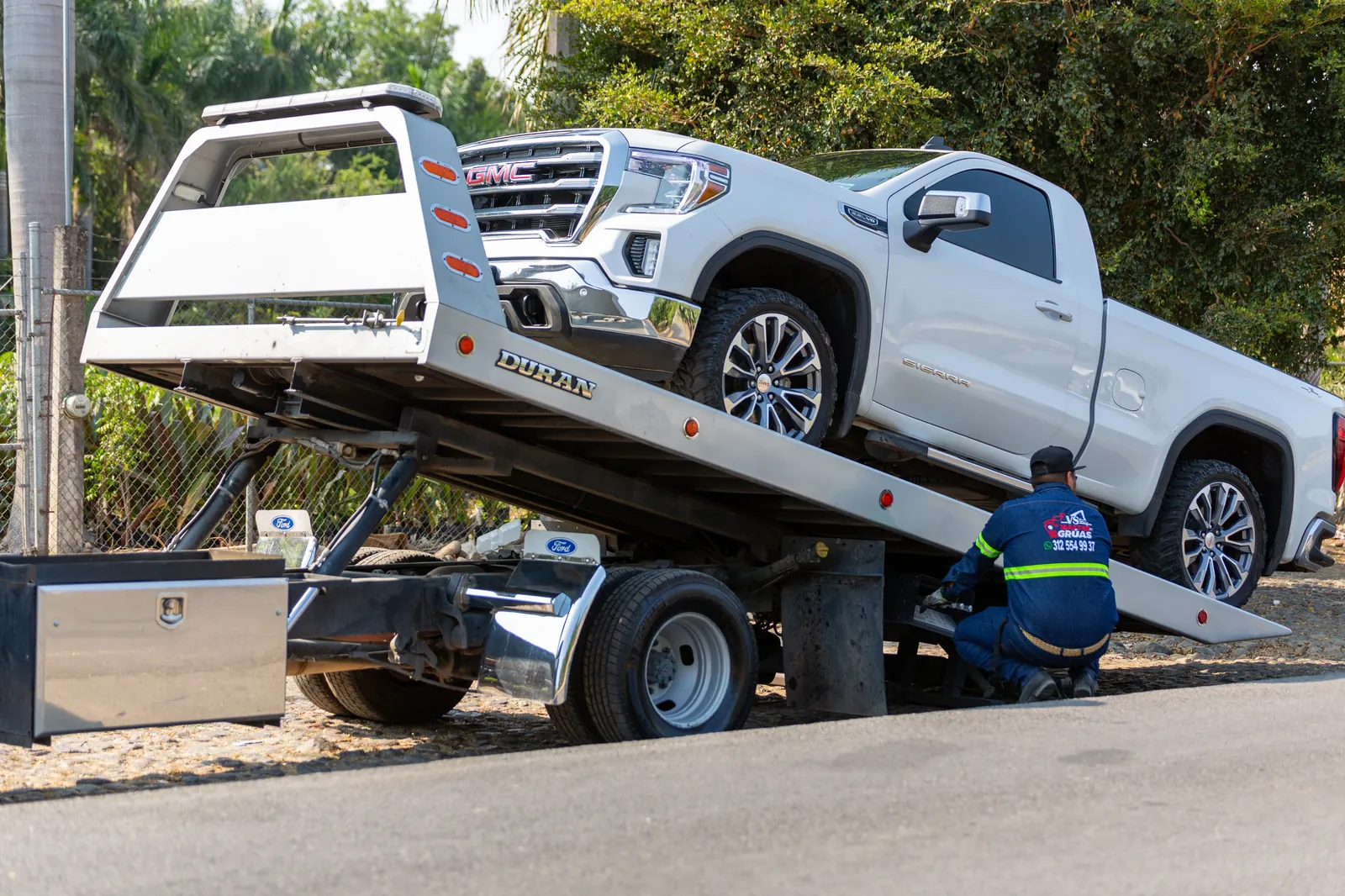
Door-to-door means the driver collects and delivers at your address. What it cannot mean is a 75-foot rig reversing down a cul-de-sac or under low branches. When the street will not take the truck, the driver arranges a meeting point a few minutes away, usually a wide retail lot, and agrees it with you in advance.
We tell you this up front rather than letting you discover it on delivery day.
Questions
Five to seven days gives us room to place the load with a good carrier at a fair price. We can often dispatch in 24 to 48 hours on busy lanes, and expedited service exists for tighter dates. Peak snowbird season, roughly October through December southbound and March through May northbound, books up faster and rewards planning ahead.
Nothing is charged until a carrier is assigned to your vehicle. At that point a deposit secures the truck, and the balance is paid to the driver on delivery by cash, certified funds or card, depending on the carrier. The full breakdown is on your quote before you agree to anything.
Yes. Every carrier we dispatch has to hold active cargo insurance, which we confirm before the load is assigned. Typical limits run from $100,000 to $250,000, and we can place high-value vehicles with carriers holding substantially more. Your own policy usually stays in force as secondary coverage.
Carriers can generally accept up to about 100 pounds in the trunk or rear cargo area, below the window line. Personal items are not covered by the carrier's cargo insurance, weight above the allowance can attract a fee at pickup, and DOT rules treat a car carrier as a vehicle hauler rather than a moving truck. Tell us what you plan to load and we will confirm it with the driver first.
As a working guide, allow one to three days for moves under 500 miles, three to five days for 500 to 1,500 miles, and seven to ten days coast to coast. Drivers are limited by hours-of-service rules, and weather or a reroute can shift a day either way. You get a delivery window, not a single promised hour, and the driver calls ahead before arrival.
Note it on the Bill of Lading before the driver leaves, and photograph it. That document is what makes a cargo claim work, and a signed clean Bill of Lading is very hard to reopen afterwards. Take your time on the delivery inspection, and call us while the driver is still there if anything looks wrong.
Ready when you are
Send the route and we will come back with a number you can actually plan around.