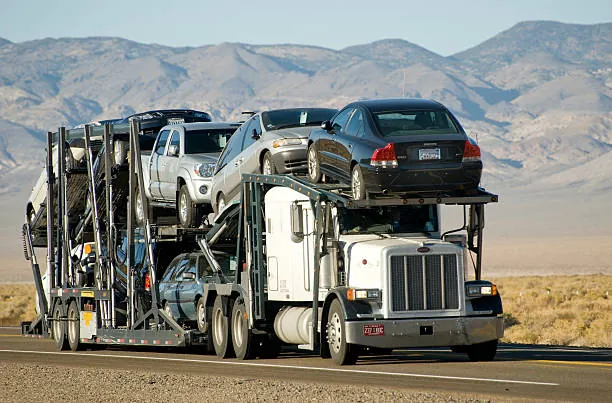
An open carrier is the two-deck truck you pass on the interstate with eight or ten cars on it. It is what the manufacturers use to move new vehicles to dealerships, what auctions use to move inventory, and what most people mean when they say they are shipping a car.
The vehicle travels outdoors. That is the whole trade-off, and it is a smaller one than it sounds: your car is exposed to the same weather and road spray it would meet being driven the same distance, for a fraction of the wear. What you get in exchange is the deepest pool of trucks in the industry, which is what keeps a quoted price realistic.
Why availability is the real advantage
Price and reliability on a lane both come from how many carriers can take the load. Open transport wins on both because there are far more open trailers than enclosed ones:
- Shorter wait to dispatch. On busy lanes a load often assigns within 24 to 48 hours rather than sitting on a board for a week.
- Quotes that reflect the real market. A quote only means something if a carrier will accept it. With more trucks competing for the lane, the number we give you is one drivers are actually taking.
- Tighter pickup windows. More trucks passing through means less waiting for one that happens to be going your way.
- Better coverage away from the interstates. Rural pickups are far easier to place on open equipment.
What open transport is right for
Most vehicles, and specifically:
- Daily drivers of any age, including vehicles with existing cosmetic wear.
- Lease returns and relocations, where the vehicle needs to arrive in the condition it left in, not better.
- Dealer and fleet moves, where per-unit cost decides whether the move happens at all.
- Trucks and SUVs, which are priced on size and weight rather than on trailer type.
- Anything you would happily drive the same route, which is the honest test.
What it will not protect against
We would rather you hear this from us than discover it on delivery day. An open trailer is open:
- Road grime and brake dust. Plan on the car arriving dirty; that is not damage.
- Stone chips. Rare, but possible, and the top deck is marginally less exposed than the bottom.
- Weather, including hail. If your route crosses hail season and the paint is irreplaceable, enclosed is the answer.
- Very low ground clearance. Standard ramps need roughly four inches. Below that you need a lift gate, which means an enclosed trailer.
Preparing the car
Twenty minutes before the driver arrives prevents almost every dispute that happens later:
- Wash it. Existing damage has to be visible and photographed at pickup, and dirt hides it.
- Photograph all four corners, the roof and the wheels, dated, before loading.
- Leave about a quarter tank of fuel: enough to load and unload, not enough to add weight.
- Remove toll transponders, parking passes and anything loose in the cabin.
- Fold the mirrors, retract or remove aftermarket spoilers and antennas, and tell us about any modification that changes the height or clearance.
- Make sure the driver can reach you or your named contact on the phone number on the order.
Questions about open car transport
Is open transport safe for my car?
Yes, and it is what manufacturers use to deliver new vehicles to dealerships. The car is secured by the wheels, not the bodywork, and travels on equipment designed for nothing else. The exposure is to weather and road spray, the same as driving the route yourself.
How much cheaper is open than enclosed?
Enclosed typically runs 40% to 60% above the open rate on the same lane, so open is the baseline that most quotes are built from. The gap widens on lanes where enclosed trailers are scarce.
Top deck or bottom deck, does it matter?
Marginally. The top deck is slightly less exposed to road spray and sits above anything leaking from a vehicle above it. Loading position is the driver's call, decided by weight distribution and delivery order, and it is not something a broker can promise.
Will my car arrive dirty?
Usually, yes, after several days outdoors on a highway. That is expected and is not a damage claim. Inspect the vehicle for actual damage before signing the Bill of Lading, and wash it afterwards.
Related services
Where we ship
This service runs on every lane we cover. These are the states and routes people ask about most:
Before you book
How much does it cost to ship a car?
The price is set by the lane, not by miles alone: distance, direction, season and how many trucks are already going your way.
Open vs. enclosed car shipping
Open transport is the standard, the most available and the cheapest. The car is exposed to weather and road spray, much as it would be if you drove it.
Ready when you are
Send the route and we will price it properly.
A written quote, a vetted carrier and confirmed insurance. Nothing is charged until a driver is booked.