Home / How it works
How car shipping works
Seven steps from the first quote to signing at your door, including the parts that usually go unmentioned until they surprise someone.
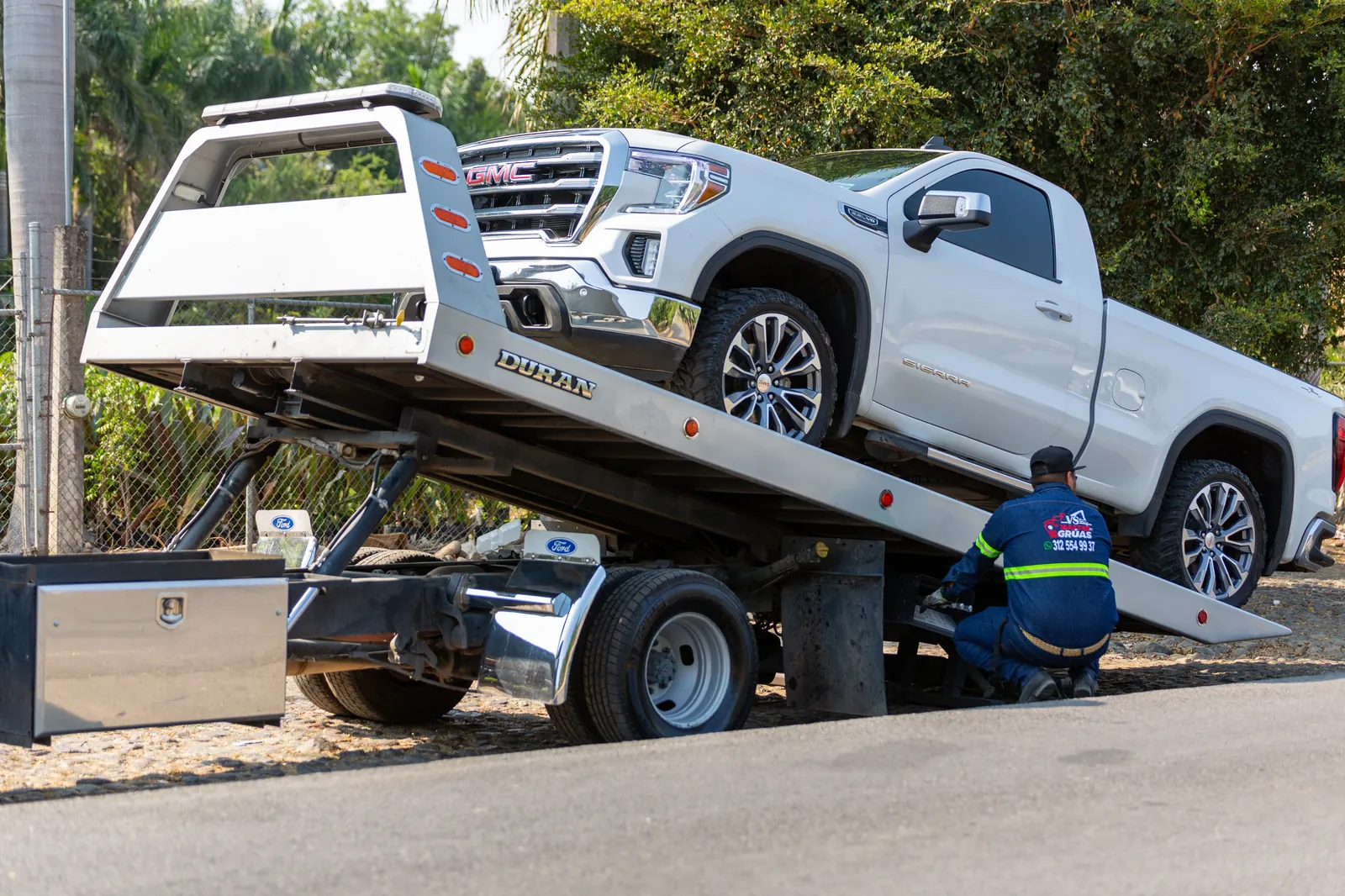
Auto transport becomes stressful when nobody tells you what happens next. This is the whole sequence, including the parts that usually go unmentioned until they surprise someone.
1. You send the route
Pickup and delivery locations, the vehicle, and your earliest date. Two ZIP codes and the year, make and model are enough to start; everything else refines the number.
Four details change the price or the equipment, so they are worth getting right at this stage rather than at the curb:
- Does it start, roll, steer and brake? Any "no" changes the truck. See inoperable vehicle transport.
- Is it modified? Lowered, lifted, oversize tires, roof racks or aftermarket aero all affect fit and clearance.
- How flexible is your date? A three-day window is worth real money against a single fixed day.
- Open or enclosed? If you are not sure, say so — for most vehicles open is the right answer and we will say so.
2. We quote the actual lane
Your price reflects what carriers are accepting on that specific route in that week, not a national cents-per-mile average. You get one number in writing, not a range, with the carrier payment and our brokerage fee shown separately so the total is checkable.
What moves the number: distance and current lane demand, open or enclosed, the vehicle's size and weight, whether it runs and rolls, how tight your dates are, and how accessible both addresses are. We tell you which of those is driving your particular quote.
If we do not think the lane will move at the price you have been quoted elsewhere, we will tell you that rather than match it and call you back in a week.
3. You book, and nothing is charged yet
Booking puts your vehicle on the dispatch board at the quoted rate. No payment is taken at this point. Nothing is charged until a carrier has actually been assigned to your vehicle, which is the difference between a booking and a hope.
4. A carrier is assigned and verified
When a carrier accepts the load, we check them before confirming anything to you: active FMCSA operating authority, active cargo insurance at an adequate limit, safety and inspection record, and relevant experience where the vehicle needs it. Carrier verification sets out exactly what that means.
This is the step where the broker model earns its keep, and the step where a bad broker hides. About Vector explains what a broker actually does and why our quote shows the carrier payment separately from our fee.
You then receive the carrier's company name, the driver's contact details, the pickup window and the insurance position. At this point the deposit becomes payable.
5. Pickup
The driver calls ahead, normally the evening before and again when they are close. You or a named adult over 18 meets them.
Together you walk the vehicle and the driver records its condition on the Bill of Lading, usually with photographs. This document is the single most important piece of paper in the whole process — it is what a damage claim rests on. Take your own dated photographs of all four corners, the roof and the wheels before the driver arrives.
If your street cannot take a 75-foot carrier, the driver will have agreed a nearby meeting point with you in advance. That is normal; door-to-door shipping explains when and why it happens.
6. In transit
Transit is governed by federal hours-of-service rules, which cap how long a driver may be behind the wheel, and by weather and routing. As a working guide: one to three days under 500 miles, three to five days for 500 to 1,500 miles, and seven to ten days coast to coast. These are estimates, not guarantees, and a day either way is ordinary.
Your agent stays reachable throughout, and can contact the driver directly.
7. Delivery, and the part that matters most
The driver calls ahead again. Before you sign anything, inspect the vehicle properly:
- Walk all four sides, then check the roof and the wheels.
- Compare against your own pickup photographs.
- Inspect in daylight where you possibly can. A quick look under a street lamp is how damage gets missed.
- Note any damage on the Bill of Lading before the driver leaves, and photograph it.
- Only then sign.
A signed clean Bill of Lading is very hard to reopen afterwards, because you have documented that the vehicle arrived undamaged. Take your time. If something looks wrong, call us while the driver is still there. Insurance and claims explains what happens next.
The balance is paid to the driver on delivery, in the form stated on your order.
Common questions
How far ahead should I book?
Five to seven days gives room to place the load with a good carrier at a fair price. Dispatch in 24 to 48 hours is often possible on busy lanes, and expedited service exists for tighter dates. Peak seasons — snowbird lanes from October, college moves in August and May, and summer relocations — book up faster and reward planning ahead.
When exactly do I pay?
Nothing is charged until a carrier is assigned to your vehicle. At assignment a deposit secures the truck, and the balance is paid to the driver on delivery by cash, certified funds or card depending on the carrier. The full breakdown is on your quote before you agree to anything.
Can I track my vehicle?
You get the driver's contact details at dispatch, and your agent can reach them directly. Live GPS tracking is not something every carrier offers, and we would rather tell you that than imply a map you will not actually get. What you can rely on is a call-ahead at both ends and an agent who knows where your vehicle is.
Do I have to be there in person?
Someone over 18 does, at both ends, to release the vehicle and to inspect and sign the Bill of Lading. It does not have to be you — name your stand-in on the order and give us a phone number the driver's call-ahead will reach.
What if the driver is late?
Pickup and delivery are windows rather than appointments, and a day's movement is ordinary: hours-of-service limits, weather and a reroute all shift schedules. Call your agent, who can contact the driver directly. If a date is genuinely immovable, expedited service buys a guaranteed pickup window.
Ready when you are
Two ZIP codes is all it takes to start.
Send the route and we will come back with a realistic quote. No upfront payment.