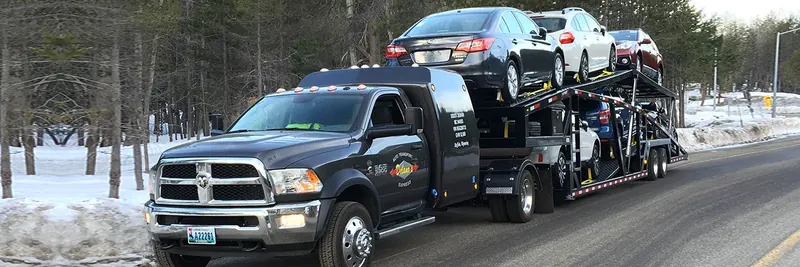
Snowbird traffic is the clearest example of supply and demand in this industry. Every fall, a large number of people move a car from the north to Florida, Arizona or Texas within the same few weeks. Every spring, the same cars go back. The trucks are the same trucks they were in July, and there are no more of them.
The result is entirely predictable: rates on southbound lanes climb from October and peak around Thanksgiving, then the northbound lanes do the same thing from March into May. The people who book six weeks out pay close to a normal rate. The ones who call in the week of Thanksgiving find out what a seasonal peak looks like.
The seasonal pattern, and how to use it
Because the pattern repeats, it can be planned around rather than reacted to:
- Southbound tightens from October, with the heaviest weeks usually running from late October through mid-December.
- Northbound tightens from March, with April and early May the busiest stretch.
- Book four to six weeks ahead in peak season, rather than the one week that is normally sufficient.
- Shipping two or three weeks either side of the peak is materially cheaper for the same lane and the same truck.
- The return leg is the bargain. Trucks heading north in November are running emptier than they would like, and the same is true southbound in April.
- Book both legs at once where your dates allow. It is the single most effective thing a returning snowbird can do.
Delivery into seasonal communities
The destination is often the harder half of a snowbird move:
- Many gated and 55-plus communities prohibit commercial vehicles entirely, or have height barriers at the entrance.
- Even where they are allowed, the internal roads rarely accommodate a 75-foot carrier turning around.
- The usual answer is a nearby retail or commercial lot, agreed with you by phone before the driver arrives.
- Check gate access, guest registration and delivery hours with your community office in advance, and tell us what you find.
- If you are flying in, allow buffer days. A car delivered before you arrive needs somewhere legal to sit and someone to receive it.
A car that has sat for six months
The most common seasonal problem is not transport, it is what the car did while you were away:
- Batteries are the usual casualty. A car that will not start is quoted and loaded differently, so check before the driver arrives.
- Tires develop flat spots and lose pressure over a season. Inflate them before pickup; it makes loading far easier.
- Check for fluid leaks that developed in storage. A dripping vehicle can be refused at the curb.
- Rodent damage to wiring is common in stored vehicles and is not something the carrier caused. Photograph the engine bay before pickup.
- If the car genuinely will not start, that is fine, but tell us. See inoperable vehicle transport for what changes.
Practical details for a seasonal move
The rest is ordinary open-carrier transport, with a few seasonal wrinkles:
- Open transport is right for almost every snowbird vehicle. Enclosed is worth it only for the same narrow set of cars it always is.
- A three-day pickup window rather than a fixed date makes a real difference to price in peak season.
- Name a local contact at the destination who can receive the vehicle if your flight moves.
- Northern pickups in late fall can meet weather. A snow day is a delay, not a problem, but build a buffer in.
- Keep the roughly 100 lb trunk allowance in mind — it is not a moving service, and contents are not insured.
Questions about snowbird and seasonal car shipping
When should I book my snowbird shipment?
Four to six weeks ahead for the October-to-December southbound peak and the March-to-May northbound peak. Outside those windows a week or two is normally plenty. The lanes are predictable, which is precisely why waiting costs money on them.
Is it cheaper to ship at a different time?
Yes, often noticeably. Moving two or three weeks either side of the peak puts you on the same lane in the same truck at a lower rate. If your dates have any flexibility at all, this is where the money is.
Can you deliver inside my gated community?
Usually not. Most communities prohibit commercial carriers or have height barriers, and the internal roads will not take a 75-foot rig. The driver arranges a nearby lot and agrees it with you in advance. Check your community's delivery rules before you book and tell us what they are.
My car has been sitting all season. Does that matter?
It matters if it will not start, because that changes the equipment and the price. Check the battery and tire pressures a few days before pickup. If it will not start, tell us rather than hoping — a load refused at the curb costs far more than an accurate quote.
Related services
Open car transport
Door-to-door car shipping
Inoperable vehicle transport
RV and motorhome transport
Where we ship
This service runs on every lane we cover. These are the states and routes people ask about most:
Before you book
How long does car shipping take?
Pickup usually happens within a window of a few days of your first available date, often sooner on busy lanes.
Can you ship personal items in your car?
Carriers generally accept up to about 100 pounds, in the trunk or rear cargo area below the window line, if the driver agrees at pickup.
Ready when you are
Send the route and we will price it properly.
A written quote, a vetted carrier and confirmed insurance. Nothing is charged until a driver is booked.