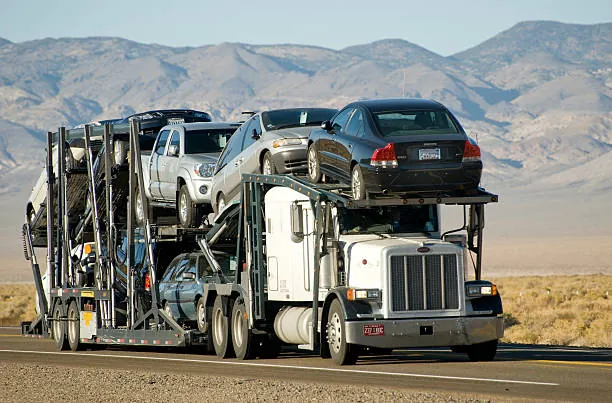
Distance. Roughly 350 to 800 miles depending on the metros — Phoenix to Los Angeles at the short end, Tucson or Flagstaff to the Bay Area at the long end.
Typical transit. Generally one to three days once the vehicle is collected, plus the pickup window on the front. Transit estimates are guidelines, not guarantees: federal hours-of-service limits, weather and routing all affect them.
Phoenix to Los Angeles is a single day of driving. That makes this one of the shortest lanes we handle, and it raises the question people ask most often about it: why does a 370-mile move not cost a seventh of a 2,600-mile one?
The answer is that long-haul transport is priced on a trailer full of vehicles travelling a long way, and short moves break that model. It is worth understanding before you compare quotes, because it applies to every short interstate lane, not just this one.
Why short hauls cost what they do
The economics are genuinely different, and no broker can price around them:
- The driver's time is the scarce resource, not the miles. A short move still takes a pickup, a delivery and the paperwork at both ends.
- A carrier gives up routing flexibility to fit a short leg in, which has to be worth their while against a long-haul load on the same deck.
- Fewer long-haul trucks want it. A carrier running Los Angeles to Atlanta is not looking for a 370-mile leg, so the pool is smaller than the lane's popularity suggests.
- Per-mile rates look high on short lanes and low on long ones. That is arithmetic, not a markup, and comparing per-mile figures across different distances is misleading.
- Multi-vehicle moves are where this lane gets efficient. Two or more vehicles on one dispatch changes the economics substantially. See multi-car transport.
The route your vehicle takes
Short, direct and reliable:
- I-10 west from Phoenix through Blythe into the Los Angeles basin. The main route and a single day's drive.
- I-8 west from Tucson or Yuma toward San Diego, the shorter option for southern California.
- I-40 west from Flagstaff to Barstow, then south to Los Angeles or north toward Central California.
- I-5 north at the end for deliveries above Los Angeles — the Bay Area, Sacramento or the Central Valley, which adds substantially to the distance.
- No passes that close, and the corridor runs year-round without weather risk.
Timing and seasonal factors
Less seasonal than most lanes, with two real considerations:
- Snowbird outbound from Arizona, March through May, adds demand as seasonal residents head out, though most of that traffic goes north and east rather than west.
- The Scottsdale auction week in January tightens enclosed capacity in and out of Arizona sharply. Book enclosed well ahead around it.
- Summer heat on I-10, June through September, affects driver scheduling and is worth noting for a vehicle that has been sitting.
- Monsoon storms, July through September, can close highways in Arizona at short notice.
- Otherwise this lane runs consistently year-round with good availability.
Getting the best price on a short lane
There is more room to influence the number here than on a long haul:
- Be flexible on dates. A wide pickup window lets a carrier fit your vehicle around a long-haul load, which is exactly when short legs price well.
- Ship more than one vehicle if you have the option. Per-unit cost falls sharply and the lane becomes attractive to carriers.
- Stay near the corridor. Phoenix and Tucson to the Los Angeles basin is the efficient version of this lane; Flagstaff to the Bay Area is a different and longer job.
- Use open transport unless the vehicle genuinely needs enclosed. On a lane this short the enclosed premium is a large share of the total.
- Ask whether driving it is the better answer. On a one-day lane it sometimes is, and we will say so — a broker who never tells you that is not worth trusting on the longer lanes either.
What ships on this lane
The mix leans toward the collector end more than most short lanes:
- Collector, classic and exotic cars moving between two of the country's most active markets, particularly around the January auction season.
- Snowbird vehicles on the seasonal cycle, of which a share will not start after sitting. See inoperable vehicle transport.
- Project cars and parts vehicles from the rust-free Southwest, frequently non-runners.
- Dealer and auction vehicles between two very active markets. See dealer and auction transport.
- Ordinary relocations on open transport.
Questions about this route
Why is a short move not much cheaper than a long one?
Because the driver's time, not the mileage, is the scarce resource. A 370-mile move still requires a pickup, a delivery and paperwork at both ends, and a carrier gives up routing flexibility to fit it in. Per-mile rates always look high on short lanes and low on long ones — that is arithmetic rather than a markup, and comparing per-mile figures across different distances is misleading.
How long does Phoenix to Los Angeles take?
It is a single day of driving, so transit is typically one to three days once the vehicle is collected. What actually determines your timeline is the pickup window rather than the drive, which is why date flexibility is worth more on this lane than almost anything else.
Should I just drive it myself?
Sometimes, and we will tell you when we think so. On a one-day lane the honest comparison includes your time, fuel, a one-way flight or a return trip, and the wear on the vehicle. If shipping does not win that comparison for you, we would rather say so than take the booking.
How can I get a better rate on this lane?
Flexibility and volume. A wide pickup window lets a carrier fit your vehicle around a long-haul load, which is when short legs price well. Shipping two or more vehicles on one dispatch changes the economics substantially. Staying near the I-10 corridor at both ends helps too.
Does the January auction season affect this lane?
For enclosed transport, considerably. The Scottsdale collector auctions concentrate an enormous amount of enclosed capacity into one week and tighten it either side, and a lot of that traffic runs between Arizona and California. Book enclosed four to six weeks ahead for a January move. Open transport is affected much less.
Both ends of this lane
Arizona car shipping
Corridors, access, seasonal pricing and what ships there.
California car shipping
Corridors, access, seasonal pricing and what ships there.
Related routes
Services on this route
Planning this move
How long does car shipping take?
Pickup usually happens within a window of a few days of your first available date, often sooner on busy lanes.
How to prepare your car for transport
Wash the car and photograph every side, the roof and the wheels, with the date visible.
What's included in a car shipping quote?
A useful quote states the price, the route, the vehicle, open or enclosed, and the pickup window it assumes.
Ready when you are
We price this lane, not a national average.
Send the two ZIP codes and the vehicle for a written quote. Nothing is charged until a driver is booked.